
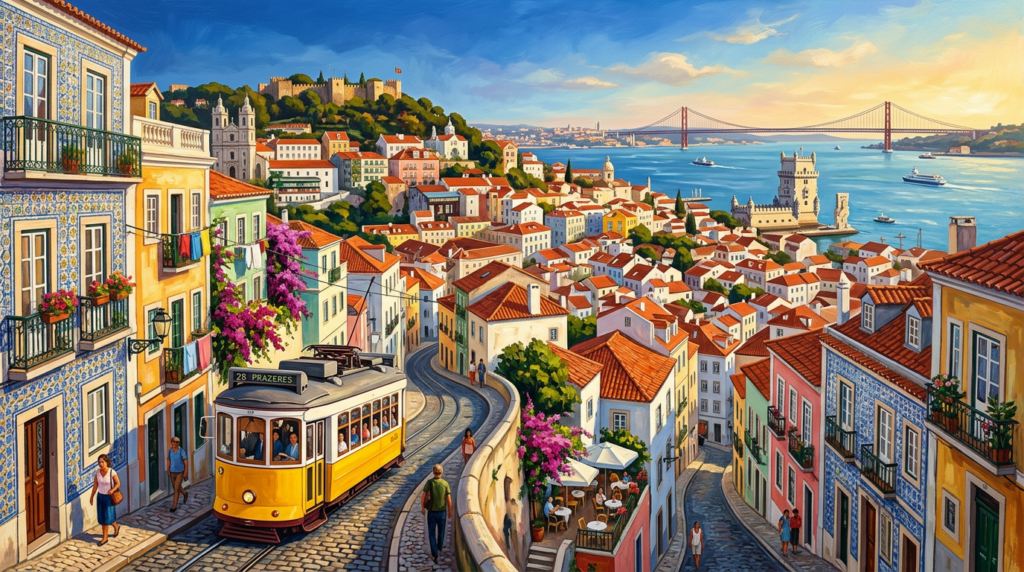
Lisbon is not just Portugal's capital — it's a city of seven hills, golden light, and soulful fado echoing through ancient streets. With over 12 million visitors annually, Lisbon has become one of Europe's most beloved destinations, offering a unique blend of historic grandeur and contemporary cool that few cities can match.
Getting to Lisbon
By air: Humberto Delgado Airport (LIS) is just 7 km from the city centre, with direct flights from most European cities. The metro's Red Line connects the airport to downtown in about 20 minutes for just €1.50.
By train: Santa Apolónia station handles international and long-distance trains, including overnight services from Madrid (around 10 hours). Oriente station serves as the modern hub for high-speed trains from Porto (2.5 hours).
Getting around: Buy a Viva Viagem card (€0.50) and load it with a 24-hour pass (€6.40) for unlimited metro, tram, bus, and elevator rides. For the authentic experience, ride the famous Tram 28 — but go early to avoid the crowds.
Torre de Belém — Where Portugal Met the World
Standing at the edge of the Tagus River, the Torre de Belém is Portugal's most iconic monument and a UNESCO World Heritage Site. Built in 1515-1521, this Manueline Gothic masterpiece served as a ceremonial gateway for explorers departing on voyages that would change the world.
The tower's ornate limestone balconies, rope-carved details, and watchtowers represent the height of Portuguese maritime architecture. Inside, climb the narrow spiral staircase for panoramic views of the river and the 25 de Abril Bridge.
Visiting tip: Arrive before 10 AM or buy tickets online to skip the queue. The tower is particularly magical at sunset when the limestone glows golden.
Mosteiro dos Jerónimos — A Masterpiece in Stone
Just a 10-minute walk from Belém Tower, the Jerónimos Monastery is perhaps the finest example of Manueline architecture in existence. Commissioned by King Manuel I in 1501, it was funded by the riches of the spice trade and took nearly 100 years to complete.
The two-storey cloister is breathtaking — every column and arch features intricate carvings of maritime ropes, exotic plants, and armillary spheres. Vasco da Gama's tomb lies inside the church, a fitting resting place for the navigator who opened the sea route to India.
Don't miss: The church is free to enter (the cloister requires a ticket). Visit on the first Sunday of the month for free entry to the cloister as well.
Tram 28 & the Alfama District — The Soul of Lisbon
No visit to Lisbon is complete without riding the legendary Elétrico 28. This vintage yellow tram rattles through the narrowest streets of Lisbon's oldest neighbourhoods — Graça, Alfama, Baixa, and Estrela — squeezing past buildings so close you could touch them from the window.
The Alfama district is where Lisbon's soul lives. This Moorish-era labyrinth of cobblestone alleys, azulejo-tiled facades, and hidden squares has survived the devastating 1755 earthquake largely intact. Get lost here — it's the best way to discover hole-in-the-wall fado bars, local tascas (taverns), and stunning miradouros (viewpoints).
Best miradouros:
- Miradouro da Graça — the widest panorama of the city and castle
- Miradouro de Santa Luzia — romantic terrace with bougainvillea and azulejo murals
- Miradouro das Portas do Sol — the classic postcard view of Alfama's red roofs
Castelo de São Jorge — The Hilltop Fortress
Crowning the highest hill in Lisbon, the Castelo de São Jorge has watched over the city since Moorish times (11th century). The castle walls offer the most commanding 360° views of Lisbon — from the terracotta rooftops of Alfama to the shimmering Tagus River and the Cristo Rei statue across the water.
Wander the peaceful gardens where peacocks roam freely, explore the archaeological site revealing layers of Iron Age, Roman, and Moorish habitation, and climb the Tower of Ulysses for an unforgettable panorama.
Pro tip: Buy tickets online (€10) to avoid the line. The castle closes at sunset — time your visit for late afternoon to see the city bathed in golden light.
Azulejos — Portugal's Blue and White Soul
You can't walk 10 metres in Lisbon without encountering azulejos — the hand-painted ceramic tiles that cover buildings, churches, train stations, and even metro stations across the city. This 500-year tradition, influenced by Moorish geometric patterns, evolved into an art form unique to Portugal.
For the best azulejo experiences in Lisbon:
- Museu Nacional do Azulejo — housed in a former convent, with a 36-metre panoramic panel of pre-earthquake Lisbon
- Igreja de São Roque — stunning tile work inside one of Europe's first Jesuit churches
- Alfama streets — every corner reveals a different pattern and colour
- São Bento metro station — underwater blue-and-white fantasy
Pastéis de Nata — The Taste of Portugal
The pastel de nata — a crispy, flaky pastry shell filled with creamy egg custard — is Portugal's most famous culinary export. And there's no better place to taste one than Pastéis de Belém, the original bakery that has been making these custard tarts since 1837 using a secret recipe from the monks of Jerónimos Monastery.
Dust yours with cinnamon and powdered sugar, pair it with a strong bica (espresso), and watch the world go by. The queue at Pastéis de Belém looks daunting but moves fast — and the experience is worth every minute.
Other food to try: Bacalhau à Brás (shredded salted cod with eggs and crispy potatoes), Bifana (pork sandwich), and Ginjinha (sour cherry liqueur) from the tiny bars in Rossio square.
Cristo Rei & the 25 de Abril Bridge
Across the Tagus River, the 110-metre Cristo Rei statue (inspired by Rio's Christ the Redeemer) watches over Lisbon with outstretched arms. Take the ferry from Cais do Sodré to Cacilhas (10 minutes, €1.30), then bus 101 to the monument. The viewing platform at 82 metres offers an unmatched perspective of Lisbon's entire skyline and the dramatic 25 de Abril Bridge — a suspension bridge that could be the Golden Gate Bridge's twin sister.

Lisbon at Night — Fado, Rooftops, and River Light
Lisbon transforms after dark. The city's seven hills light up with warm yellow streetlamps, the castle glows above the rooftops, and the haunting sounds of fado drift from doorways in Alfama and Mouraria.
For authentic fado, skip the tourist traps and head to:
- Tasca do Chico (Bairro Alto) — intimate, no reservations, arrive by 8 PM
- Mesa de Frades (Alfama) — former chapel, superb acoustics
- A Baiuca (Alfama) — locals singing amateur fado, deeply authentic
After the music, head to Bairro Alto — Lisbon's bohemian nightlife quarter where dozens of tiny bars spill onto the streets. Or for a more refined evening, sip cocktails at a rooftop bar like Park (on top of a parking garage) or TOPO Chiado with views over the Baixa.
The Modern Side: Parque das Nações
Built for Expo '98, Parque das Nações showcases Lisbon's contemporary side. The Oceanário de Lisboa — Europe's largest indoor aquarium — is a must for families, with a massive central tank where sharks, rays, and sunfish swim together. The futuristic Vasco da Gama Bridge stretches 17 km across the Tagus, making it Europe's longest bridge.
Take the cable car along the waterfront for aerial views, browse the modern shopping centre, or simply walk along the river promenade watching the sunset.
Practical Tips for Lisbon
- Best time to visit: April-June and September-October — warm, sunny, fewer crowds
- Budget tip: The Lisboa Card (€22/24h) covers all public transport, free entry to 39 attractions, and discounts on many more
- Wear comfortable shoes: Lisbon's hills and cobblestones are charming but demanding
- Stay in: Alfama (authentic), Baixa/Chiado (central), Bairro Alto (nightlife), Belém (peaceful)
- Day trips: Sintra (40 min), Cascais (30 min), Óbidos (1 hour) — all easily reachable by train
Bring Lisbon Home
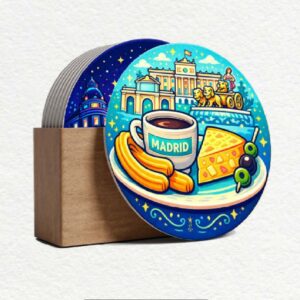
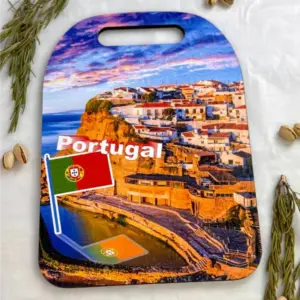
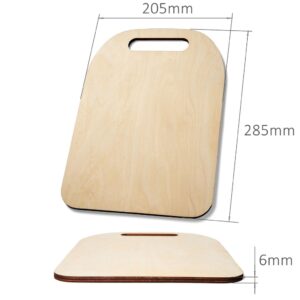
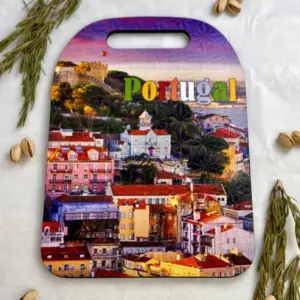
After wandering through Lisbon's sun-drenched streets, riding Tram 28, and tasting the world's best pastéis de nata, you'll want to keep those memories alive. Our hand-crafted MemBoards souvenir cutting boards capture the beauty of Lisbon's iconic landmarks in vivid, food-safe artwork — a piece of Portugal for your kitchen wall or your cutting board collection.